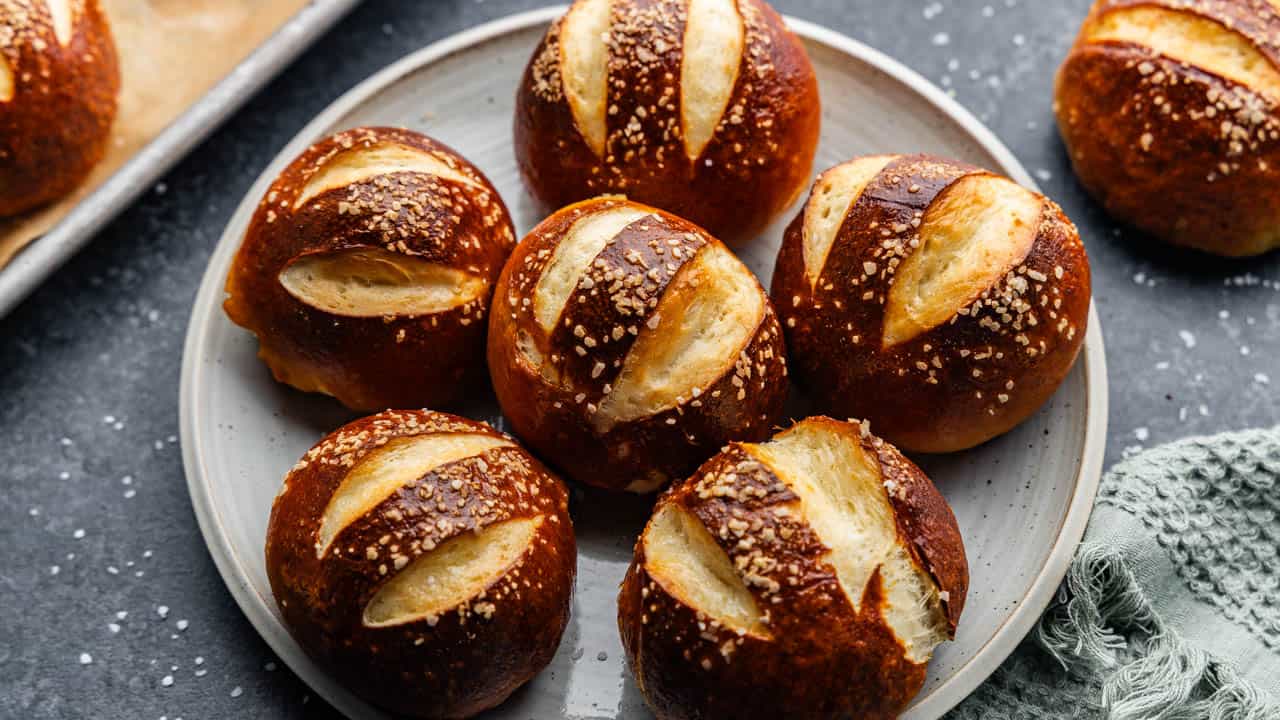
Imagine biting into a perfectly golden-brown roll, its exterior boasting that unmistakable chewy texture and savory crust, while the inside remains pillowy soft. This isn't just any dinner roll; it's a culinary masterpiece with a secret. If you've ever wondered how to achieve that authentic, bakery-quality chew and deep, rich color in your homemade pretzel rolls, the answer lies in one crucial, often-overlooked step: the boil. This simple pre-baking ritual transforms ordinary dough into extraordinary pretzel rolls, elevating them from delicious to utterly irresistible.
The Science Behind the Chew: Why Boiling Matters
Unlike standard bread, the distinctive character of a pretzel roll isn't just a matter of ingredients or baking time. It's born from a fascinating chemical reaction that occurs when the shaped dough takes a quick dip in an alkaline bath before hitting the oven. This isn't merely a soak; it's a vital part of the pretzel-making process that imparts both visual appeal and textural magic.
- Alkaline Transformation: The key ingredient in the boiling water is baking soda. When dissolved, baking soda creates an alkaline solution. Dipping the dough into this solution changes the pH on the surface of the dough. This altered pH accelerates the Maillard reaction during baking, which is responsible for that signature deep, caramelized brown crust. Without this step, your rolls would simply be pale and lack the characteristic pretzel hue.
- Starch Gelatinization: Beyond the color, the hot baking soda bath also causes the starches on the surface of the dough to gelatinize. This process forms a thin, slightly firm layer on the exterior of the roll. As it bakes, this gelatinized layer develops into the unique chewy crust that contrasts beautifully with the soft, airy interior. This is the same ingenious technique used to create the satisfying chew of a classic New York-style bagel, proving its effectiveness in achieving optimal texture.
Understanding this scientific interplay empowers you to consistently create homemade pretzel rolls that taste and feel like they came straight from a gourmet bakery. It’s the difference between a good roll and an unforgettable one, making the boiling step non-negotiable for true pretzel perfection.
Elevating Your Meals: Versatility of Homemade Pretzel Rolls
Once you master the art of making Easy Homemade Pretzel Rolls: Get Bakery Quality at Home, you'll discover they are far more than just a novelty; they are an incredibly versatile addition to almost any meal. Their unique flavor and texture profile make them suitable for a wide array of culinary applications, transforming ordinary dishes into something special.
- The Ultimate Dinner Companion: Serve them warm alongside a hearty soup or stew for a comforting meal, or elevate a sophisticated holiday feast. Their savory notes complement everything from a simple weeknight pasta to a luxurious Thanksgiving spread. They provide that perfect something extra that makes a meal feel complete and gourmet.
- Sandwich and Slider Sensations: Forget your average white bread! Pretzel rolls are a game-changer for sandwiches. Their sturdy, chewy crust holds up wonderfully to moist fillings like pulled pork or saucy BBQ chicken. For lighter options, they make an excellent vessel for deli meats and cheeses. Adjust the size of your rolls to create delightful mini sliders for appetizers or perfectly proportioned burger buns for your next backyard BBQ. To explore more delicious ideas, check out Homemade Pretzel Rolls: Your Go-To for Sandwiches & Sides.
- Dip-Friendly Delights: Cut them into chunks and serve them alongside a warm, gooey cheese dip, a robust mustard, or a creamy spinach artichoke dip. The sturdy texture is ideal for scooping, and the subtle saltiness perfectly balances rich, savory dips.
- Breakfast & Beyond: While often associated with savory meals, don't overlook their potential for breakfast! A warm pretzel roll buttered and served with a side of scrambled eggs, or even split and toasted with cream cheese, offers a delightful start to the day.
The adaptability of these rolls means they're not just a side dish; they can be the star of the show, proving that homemade doesn't have to mean humble.
Crafting Your Perfect Pretzel Rolls: Essential Ingredients & Steps
Achieving those bakery-quality homemade pretzel rolls begins with understanding the core ingredients and the fundamental steps. While the boiling bath is the secret to their signature character, the quality of your dough sets the foundation.
Key Ingredients for Success:
- Dry Active Yeast & Warm Water: The foundation of any good bread, yeast gives the rolls their rise and fluffy internal structure. Warm water (around 105-115°F or 40-46°C) is crucial for activating the yeast without killing it.
- Brown Sugar: A touch of brown sugar not only adds a subtle sweetness to the dough but also acts as food for the yeast, encouraging it to bloom beautifully.
- Melted Butter: Incorporating salted, melted butter into the dough contributes to a rich flavor and tender crumb, making the rolls truly decadent. A little extra butter brushed on top after baking adds shine and flavor.
- Egg: Acts as a binding agent, enriching the dough and contributing to its structure and tenderness.
- All-Purpose Flour: There’s no need for specialty bread flour here; good quality all-purpose flour works perfectly, making this recipe accessible.
- Baking Soda: The star of the show for the boiling bath, essential for that deep color and chewy crust.
- Coarse Salt: The finishing touch! Sprinkling coarse salt (like pretzel salt or sea salt flakes) on top before baking adds the classic pretzel flavor and visual appeal.
The Basic Process Overview:
- Activate the Yeast: Combine warm water, yeast, and a pinch of sugar. Let it sit for 5-7 minutes until it becomes frothy, indicating the yeast is active and ready to work.
- Form the Dough: Whisk in the egg and melted butter. Then, gradually add the flour and a pinch of salt. Using a stand mixer with a dough hook for 6-7 minutes on medium-low speed will yield a smooth, elastic dough. If mixing by hand, knead until it reaches a similar consistency.
- First Rise (Proofing): Allow the dough to rise in a warm place until doubled in size, typically 1-1.5 hours, depending on your environment. This develops flavor and creates a tender crumb.
- Shape the Rolls: Gently punch down the dough, divide it into equal portions, and shape them into tight, uniform rolls. Consistency in shaping ensures even boiling and baking.
- The Critical Boil: Bring a large pot of water to a rolling boil and stir in a generous amount of baking soda. Carefully drop the shaped rolls, one or two at a time, into the boiling solution for about 30 seconds per side. Use a slotted spoon to remove them, allowing excess water to drain.
- Bake to Perfection: Place the boiled rolls on a prepared baking sheet. For extra sheen and to help the salt adhere, you might opt for a quick egg wash. Sprinkle generously with coarse salt. Bake in a preheated oven until deep golden brown.
Each step plays a vital role, but it's the precise combination of a well-hydrated dough and the transformative baking soda boil that truly makes these homemade pretzel rolls extraordinary.
Beyond the Basics: Tips for Bakery-Quality Homemade Pretzel Rolls
While the core recipe provides a fantastic foundation, a few extra insights can elevate your homemade pretzel rolls from good to truly gourmet, mimicking the quality you'd find in a professional bakery.
- Precision with Water Temperature: Yeast is finicky. Water that’s too cold won’t activate it, and water that’s too hot will kill it. Invest in a kitchen thermometer to ensure your water is consistently between 105-115°F (40-46°C) for optimal yeast activity.
- Don't Over-Knead, But Don't Under-Knead Either: The dough should be smooth and elastic, passing the "windowpane test" (where a small piece can be stretched thin enough to see light through it without tearing). Over-kneading can make the rolls tough, while under-kneading results in a dense, crumbly texture.
- The Lye vs. Baking Soda Distinction: Traditionally, true Bavarian pretzels are boiled in a lye (sodium hydroxide) solution for an even darker, more intensely flavored crust. However, lye is caustic and dangerous for home use. The baking soda bath, especially if you use a high concentration (e.g., 2/3 cup baking soda per 8-10 cups of water), is a safe and incredibly effective alternative that yields phenomenal results, achieving that classic pretzel character without the safety risks. Some even bake baking soda first to make it more alkaline (sodium carbonate).
- Score for Aesthetics and Even Baking: Just before baking (and after the salt), you can use a sharp knife or razor blade to make a single, shallow slash across the top of each roll. This not only adds a professional touch but also allows steam to escape, contributing to a better rise and preventing cracks.
- Optimal Baking Temperature: Most pretzel roll recipes call for a relatively high oven temperature (around 400-425°F or 200-220°C). This high heat helps to quickly set the crust and achieve that deep brown color before the interior overcooks.
- Storage and Reheating: Homemade pretzel rolls are best enjoyed fresh, warm from the oven. Store leftovers in an airtight container at room temperature for 2-3 days. To refresh, simply warm them in a toaster oven or microwave for a few seconds until soft again. They can also be frozen for longer storage; thaw and reheat as desired.
By paying attention to these details, you’ll consistently produce pretzel rolls that not only look and taste professionally made but also impress everyone who tries them.
The journey to perfect chewy pretzel rolls is a rewarding one, and as we've uncovered, the secret truly lies in the boil. This brief, transformative step in the baking soda solution is what imparts that coveted deep brown color, unique flavor, and irresistible chewiness that sets these rolls apart. From their scientific foundation to their incredible versatility on the dinner table or as a gourmet sandwich base, homemade pretzel rolls are a culinary triumph within reach of any home baker. So, roll up your sleeves, embrace the boil, and prepare to delight in the chewy, savory goodness of your very own bakery-quality creations.
